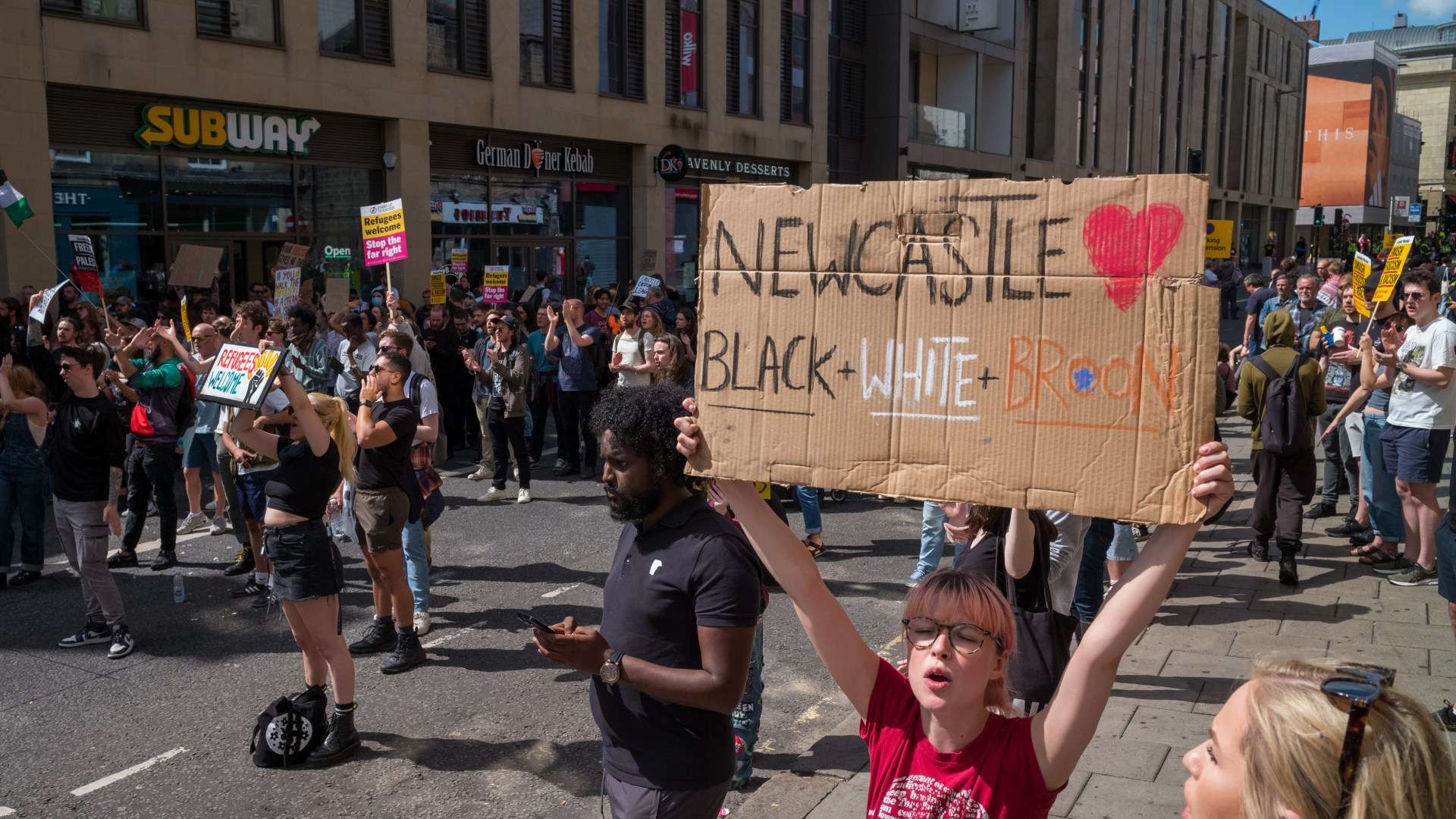
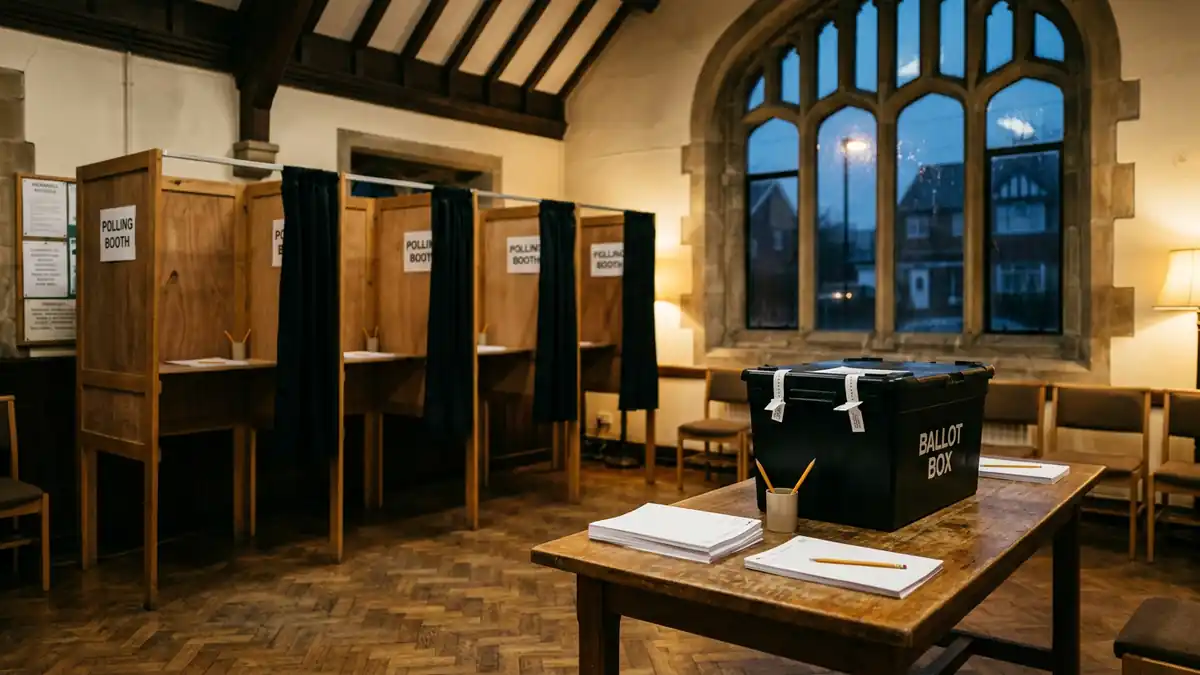
The Shard End by-election ended with Reform UK holding the seat on Birmingham City Council by just 104 votes, while the party also kept all three Castle Bromwich seats on Solihull Council, according to results published on 27 November 2026.
Key points
- Reform UK’s Sarah Myers won Shard End with 573 votes, 104 ahead of Labour on 469, on a 19% turnout.
- Reform also held all three Castle Bromwich seats in Solihull, but the Conservatives were close behind.
- The four by-elections followed resignations after an ITV News undercover documentary.
- Birmingham’s council leader remains Liberal Democrat Roger Harmer, who runs a minority administration.
What happened in the Shard End by-election?
Reform UK kept the Shard End ward after a closely fought contest on Thursday 26 November 2026. Sarah Elizabeth Myers polled 573 votes, ahead of Labour on 469, Restore Britain’s Jack Brookes on 296 and the Local Conservatives’ Frederick Clifton Welch on 162. The Greens took 77, the Workers Party 43 and an independent 23, BBC News reported.
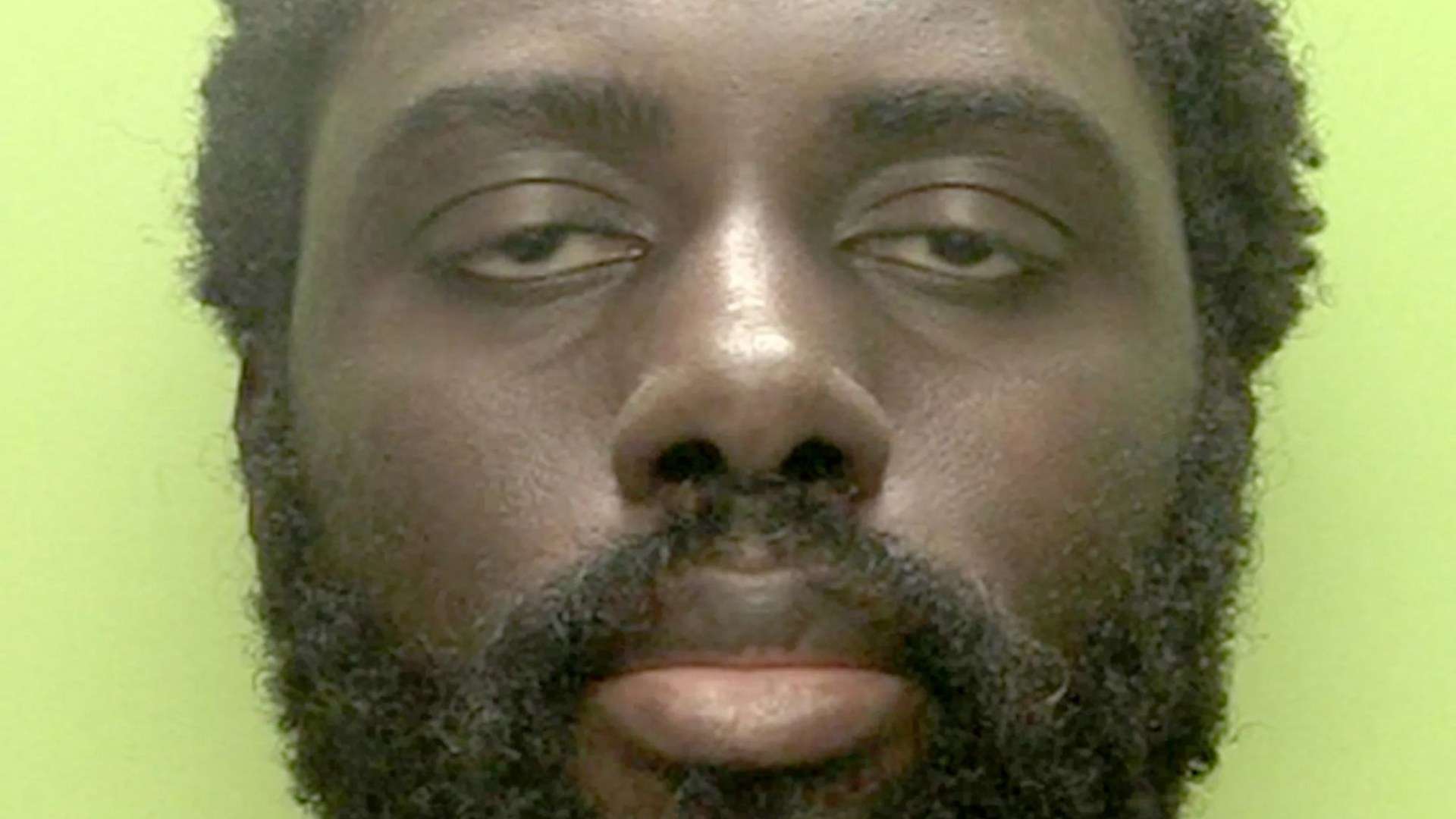
Turnout was 19%, so only a small fraction of the ward’s electorate decided the outcome. The seat fell vacant after Alan Feeney resigned from every post he held on Birmingham and Solihull councils in October 2026. He had earlier left Reform UK after being filmed calling Asian homeowners “parasites” in an ITV News undercover investigation.
What did the Castle Bromwich result show?
Reform UK held all three Castle Bromwich seats on Solihull Metropolitan Borough Council, but with a much weaker lead than before. Mark Evans received 1,432 votes, Jacqueline Howse 1,379 and Garry Taylor 1,310. The Conservative candidates were not far behind, with Martin McCarthy on 1,166, Georgina Phoenix on 1,117 and Ethan Potter on 1,100.
ITV News Central said the contest saw a swing of around 20 percentage points from Reform UK to the Conservatives, with turnout of about 37%. The Conservatives run Solihull as a minority administration with 25 of 51 seats and needed just one more councillor for overall control. Reform now has 15 seats there, followed by the Liberal Democrats on six, the Greens on four and one independent.
Why were these by-elections held?
The by-elections were triggered by resignations after the ITV News documentary Undercover: A Year in Reform broadcast racist, Islamophobic and sexist remarks by councillors. ITV said the three councillors who stood down were Alan Feeney, Jamie Campbell and Chris Whelan. Mr Feeney later apologised, calling his remarks “wrong, offensive and completely unacceptable”. Mr Campbell also apologised for any offence while insisting he was not racist.
How did the parties react?
Ms Myers said Shard End was a former Labour stronghold that had been let down over decades of neglect, and promised to deliver for residents. Reform UK’s Birmingham group leader Jex Parkin said there were “bad apples” in every party and that voters had rejected a mischaracterisation of Reform. Solihull group leader Samantha Gethen called the result a “clear endorsement”.
Conservative group leader Robert Alden argued Reform’s support was “collapsing” where it already holds seats and urged voters to back his party. Mr Welch said he was delighted with a 10% swing from Reform to his candidacy, but it was not enough. Labour told ITV it had knocked on every door in the ward four times, Birmingham Now also reported.
What it means for you
If you live in Shard End or Castle Bromwich, you now have a new ward councillor, or three, who can take up local issues such as bins, roads and planning. You can check who represents you on the Birmingham City Council website or the Solihull Council website.
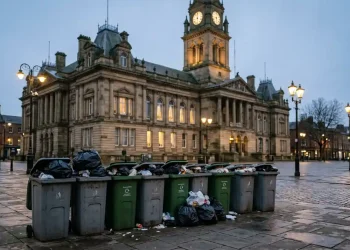
Nothing changes in who runs either authority. Birmingham’s administration is unaffected, though the council still faces pressure over the long-running bin dispute, which we covered in our report on the council commissioners stepping down. For wider UK coverage, see our National news section.
Background
Reform UK won Shard End in the local elections in May 2026, and ITV described it as the party’s safest seat on Birmingham City Council. Six months later its majority has narrowed considerably. On the 101-member city council, Reform now has 22 councillors, the Greens 19, the Conservatives 16, Labour 14 and the Liberal Democrats 12. Better Birmingham has seven, the Birmingham Independent Workers’ Group five, independents four and the Birmingham Independents Group two.
Roger Harmer, a Liberal Democrat, remains council leader. His party forms a minority administration with the Greens and the Better Birmingham group.
What happens next
With the vacancies filled, attention turns to how the new councillors settle in and how Reform responds to its reduced share of the vote. The Conservatives will point to Castle Bromwich as evidence they can challenge Reform in Solihull, while Labour will take encouragement from running Reform close in Shard End. The next full council elections are still some way off, so these results are best read as a snapshot of a low-turnout contest rather than a firm forecast.
Residents wanting to follow council business can read agendas and decisions on each authority’s website, and attend public meetings of full council.