












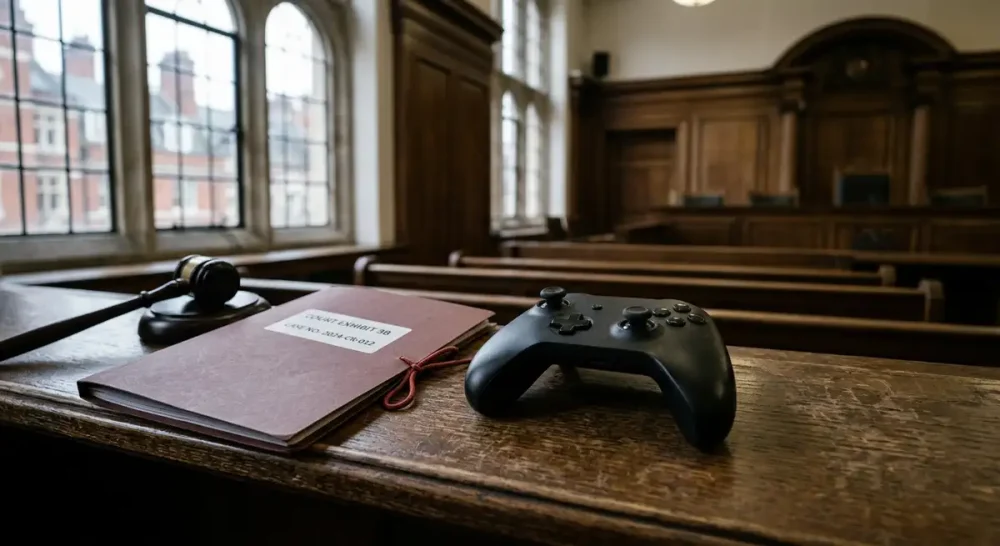
Sony has defeated a £2 billion class action brought on behalf of more than 12 million UK PlayStation owners, after the Competition Appeal Tribunal ruled that the company had not broken competition law by keeping digital game sales on its consoles inside its own store.
The unanimous judgment, handed down in London on Tuesday 17 November, dismissed the claim in its entirety. It means no compensation will be paid to the estimated 12.2 million people who bought digital games or add-on content through the PlayStation Store in the UK, unless the decision is overturned on appeal.
What the claim argued
The case was launched in 2022 by consumer campaigner Alex Neill, a co-founder of the group Consumer Voice. It alleged that Sony had built a closed system in which digital games and in-game purchases for PlayStation consoles could be bought only through the PlayStation Store, on which Sony typically takes a 30% cut of each sale.
According to the claim, that arrangement turned digital buyers into a captive audience and allowed Sony to charge excessive and unfair prices. Neill’s lawyers argued that, had rival digital shops been allowed onto the console, games and add-ons would have been roughly 20% cheaper. Before the judgment, the claim was valued at close to £2 billion, a figure that included interest, and covered purchases made from August 2016 in England and Wales and August 2017 in Scotland.
Lawyers for the claimants told the tribunal at the start of the trial in March: “Sony can and does set the retail prices … without facing any retail competition for digital content. It allows it to obtain monopoly profits from digital distribution,” Reuters reported.
Sony rejected the allegations throughout. It said it had “invested years and billions” in an integrated platform that benefits players in a competitive market, and argued that the case amounted to letting third parties “free-ride” on that investment.
Why the tribunal sided with Sony
The panel, chaired by Ben Tidswell, looked at competition across the wider games market rather than treating the PlayStation Store as a market of its own. It concluded that buyers had genuine alternatives in the form of physical copies sold by high street and online retailers, and in rival consoles from Microsoft and Nintendo.
The tribunal found “strong evidence of a willingness of consumers to switch consoles following an increase in games prices”, citing Sony’s own internal research, which warned of commercial harm if PlayStation game prices became uncompetitive with Xbox, as GamesIndustry.biz reported.
It described the claim that players were trapped in a closed ecosystem as “not credible as it was based almost entirely on theoretical assumptions, which did not hold good in important respects in the real world”. The argument that competitive prices would have been 20% lower “was not made out”, the judgment said.
The panel also accepted that the PlayStation had never been designed as an open platform, and that adapting it to host third-party stores would require significant cost and effort and could weaken security and performance. It added that even if the narrower market proposed by the claimants had been accepted, it had not been shown that Sony’s margin was excessive, or that it was unfair.
Stephanie Burns, senior vice president and general counsel at Sony Interactive Entertainment, said the ruling affirmed the company’s business model.
The claimants’ response
Neill said she was disappointed by the outcome. In a statement published by Consumer Voice, she said: “This case has been five years in the making and raised important questions on behalf of 12 million UK consumers. We argued that PlayStation users were being overcharged for digital games and add-on content because they were effectively locked into Sony’s digital ecosystem.”
She added: “We believe these were important issues to test on behalf of consumers and we are now carefully considering the judgment and our options, including whether to appeal this first-instance decision.”
What it means for UK gamers
For the millions of PlayStation owners covered by the claim, the practical effect is simple: there is no payout, and no action is needed. The prospect of an award, once estimated at around £162 per person, has fallen away unless an appeal succeeds.
The ruling is also a significant moment for Britain’s young opt-out class action regime. It follows a tribunal decision against Apple over its App Store in October 2025, which Apple is seeking to appeal, and a separate trial against Google that began in October. Lawyers say the Sony judgment offers a clearer path for companies that run so-called walled garden platforms, where the same firm controls both the hardware and the shop.
The decision may yet carry a sting in the tail for players. A key reason the tribunal gave for rejecting the claim was the availability of boxed games as an alternative to digital downloads. Sony has already announced that new games on its consoles will stop being released on physical discs from January 2028, a change that falls outside the period covered by this case but which could revive questions about digital pricing in future.
What happens next
The tribunal has scheduled a further hearing in the week beginning 14 December to deal with costs and any application for permission to appeal. Neill’s team has said it is weighing its options. If no appeal is pursued, the ruling will stand as one of the most important judgments yet on how UK competition law applies to closed digital platforms.