


















Grief is something every one of us will experience. It does not discriminate against any social class, profession, or walk of life and yet, despite being part of life, so many still struggle to talk about it openly.
I know this from my own personal experience. My daughter Jennie was the victim of a hit and run collision when she was just 31 years old and died nine days later leaving our family in despair, desolate and disconsolate. As Shakespeare puts it: “Grief fills the room of my absent child.” There is little space in that room for anything else.
Grieving for someone you love changes you. It reshapes your outlook, your priorities, and the way you see the world. It can also be profoundly isolating, with Sue Ryder research showing that 88% of people feel alone in their grief. Having a bereavement has certainly changed how I view my role and led me to be more aware of what my constituents may need from me when grieving.
Often, people come to us at their most vulnerable. It could be after the death of a partner, a parent, or even a child. They are not only navigating the emotional turmoil experienced when someone dies, but also the practical challenges that follow, from managing “paperwork” and “life admin” to not knowing where to access bereavement support.
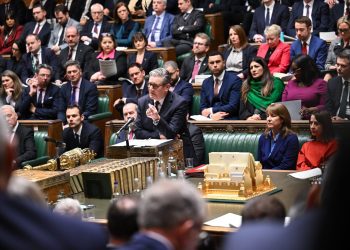
That is why I believe grief literacy, so to speak, is not simply a personal skill, but a political imperative. I believe, as parliamentarians, that if we are to serve our communities to the best of our abilities, we must be equipped to respond to constituents’ grief with empathy and understanding.
This National Grief Awareness Week (2–8 December), national palliative care and bereavement charity, Sue Ryder, is offering MPs and their staff the chance to take part in online bereavement training.
Sue Ryder provides a range of free grief support, from an online bereavement community offering peer-to-peer support, to a self-help platform providing expert advice and tools to help people understand and manage their feelings.
The training itself covers the foundations of grief support, the potential bereavement journey, and how to have sensitive conversations about death and grief. Colleagues and their staff will be better able to recognise the signs of grief in constituents, signpost them to practical and emotional support, and understand the role of parliamentary offices in handling bereavement-related complaints and advocating for policy improvements. It is practical, accessible, and designed to help us better support those who turn to us during these challenging times.
I would urge colleagues across the House and their teams to take up this training and recognise that grief is part of our society, our lives and that our constituents know we will meet them with support and compassion, as well as “policy” when it comes to matters of a bereavement.
Parliament is often a place of opposing debates. But grief pushes that aside. It reminds us of our shared human experience. Data from Sue Ryder also shows that more than 1 in 4 people feel they can’t talk about their grief; MPs can help by normalising conversations about death and grief.
This National Grief Awareness Week, let us commit to building a parliament that understands and acknowledges grief. Let us enlighten ourselves to be better at talking about death and bereavement, so that no one has to grieve alone. I know that only too well.
To sign up for the online training and find out more information, please email [email protected].
Politics.co.uk is the UK’s leading digital-only political website. Subscribe to our daily newsletter for all the latest news and analysis.
The post Peter Dowd: ‘Together, MPs can build a parliament that understands grief’ appeared first on Politics.co.uk.