

















Although it may have been lost amid the doom-laden headlines emerging after COP30 in Brazil, something genuinely hopeful did emerge from the UN Climate Conference: a game-changing global plan to safeguard the planet’s remaining tropical forests.
The Tropical Forests Forever Facility, or TFFF, is an innovative finance mechanism that would become one of the largest multilateral investment funds for nature, quadrupling the global finance available for forest protection.
The scheme is designed to halt the destruction of irreplaceable ecosystems like the Amazon, which are the lungs of our planet and the source of countless resources we depend on daily.
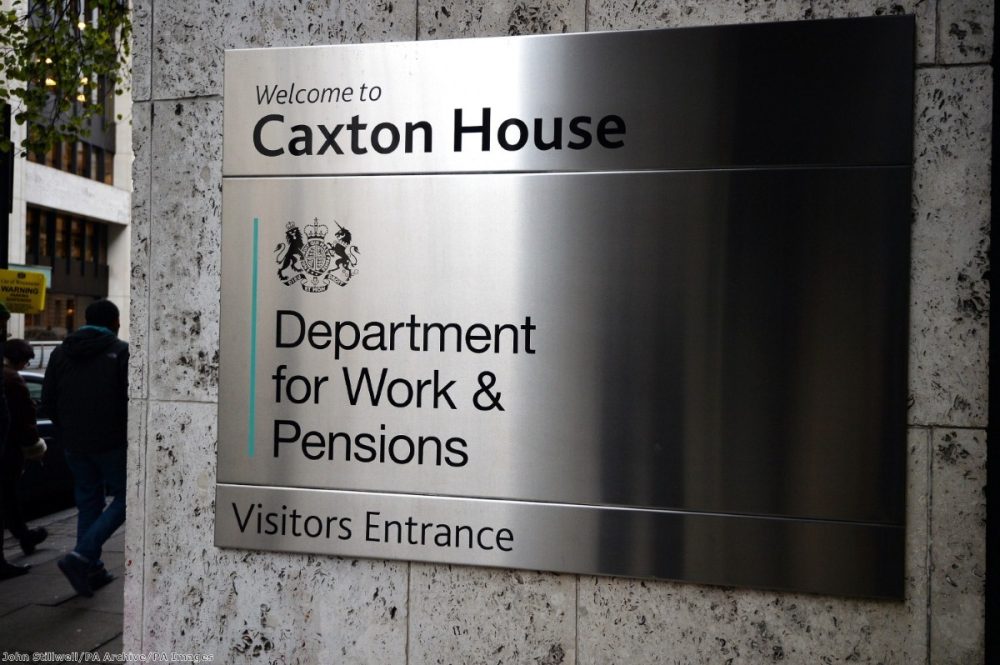
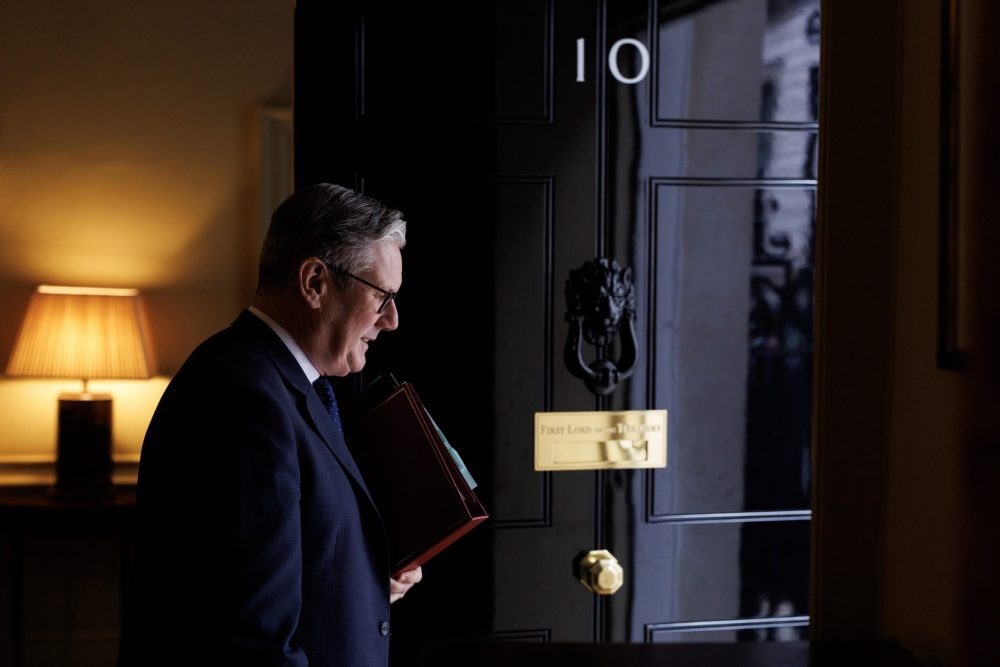
In the run-up to COP30, the UK played a leading role in helping Brazil design the framework. Yet, just as prime minister Keir Starmer flew into Belém, the gateway to the Amazon, the UK government unexpectedly announced that the UK would not join other major nations in contributing to it.
The justification given was “fiscal circumstances”. In plain speak, they simply did not want to be seen to be funding projects such as these whilst raising taxes in the budget.
But this is lazy, outdated and backwards thinking. The Treasury must recognise that contributions to mechanisms like the TFFF are investments and not costs. The chancellor has at her disposal ways to classify the TFFF contribution as equity investment or as a financial asset which would not impact her debt or deficit rules.
This is not a grant or a handout. It is a genuine win-win investment fund that, for the first time, creates a value for trees that is not carbon, delivers returns to investors while supporting Indigenous and local communities to keep their forests standing.
This knuckle-dragging thinking at the Treasury is creating a blocker to genuinely innovative and game-changing solutions we urgently need to save tropical forests and protect our planet. It’s also the thinking that falsely pits environmental protection against economic growth, despite the overwhelming evidence of the economic costs of a depleted and degraded natural world.
Before entering Parliament, I spent years working across Africa, South America, Central America and the Caribbean, supporting communities dealing with the impacts of nature loss and climate change. I saw first-hand the ravages of climate change and the devastating cost of inaction. I saw how virgin forest trees currently only have a value when they are on the back of a lorry for timber.
But I also saw the transformation that we can achieve when we work together and inspire leadership. That is why I have joined more than 60 cross-party MPs and peers in urging the Government to take up the opportunity it helped to shape and commit to the TFFF.
I welcome the energy secretary’s answer to my question in the chamber and his reply to the environmental audit committee that the UK’s contribution remains under review. The current situation undermines years of diplomatic work and has disappointed Brazil and tropical forest partners. If the UK wants to sustain its proud record of leadership on climate and nature, this cannot be a decision kicked endlessly down the road.
At a time when voices of climate denial and delay are growing louder at home and abroad, tropical forests like the Amazon can buy us precious time in the rapidly closing window to address climate change and nature loss. The TFFF offers a rare chance of a credible, global plan that finally makes keeping forests standing more valuable than cutting them down or burning them.
The UK helped design it. Now, ministers must listen to the cross-party calls across parliament and help deliver it.
Politics.co.uk is the UK’s leading digital-only political website. Subscribe to our daily newsletter for all the latest news and analysis.
The post Pippa Heylings MP: ‘Is the Treasury sabotaging Britain’s climate leadership?’ appeared first on Politics.co.uk.